

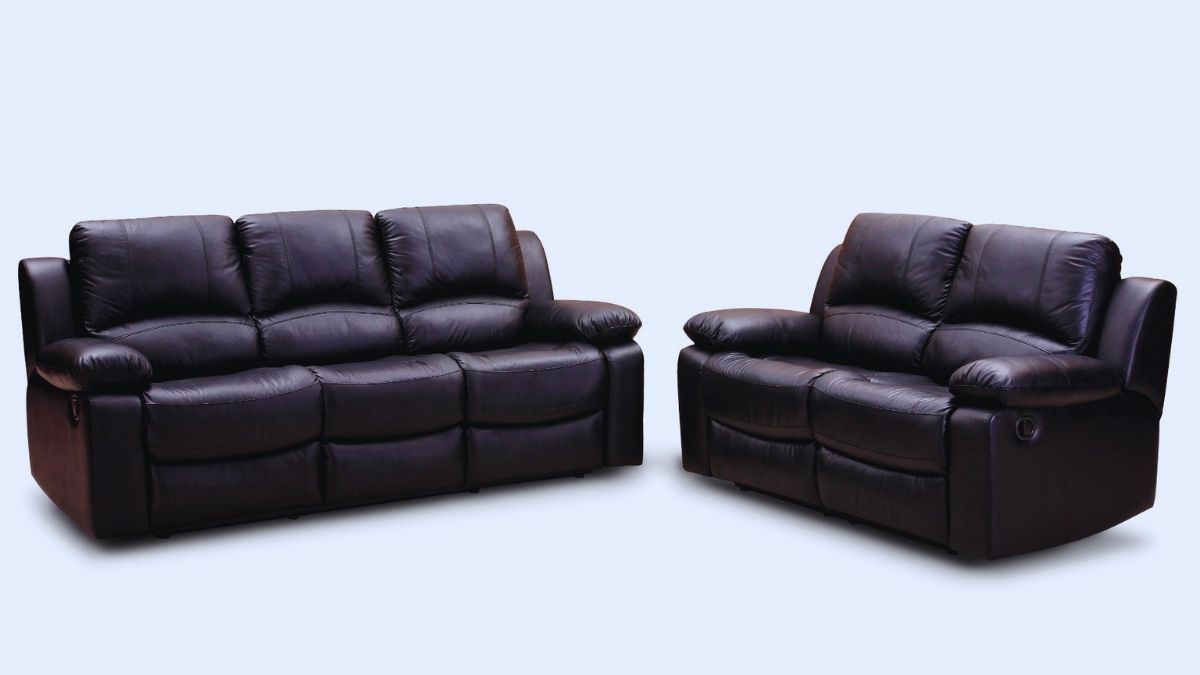
A recliner can be useful when you want a comfortable place to sit, relax, read or take a nap. For people who prefer sleeping in a reclined position, however, choosing the right chair requires more consideration than simply finding the softest recliner.
A chair intended for occasional naps may have very different features from one designed to provide a near-flat sleeping position. Reclining range, seat dimensions, lumbar support, footrest length, mattress-like cushioning, control systems and the ability to get in and out of the chair can all affect the experience.
Some models also include power-lift mechanisms, massage functions, heating, adjustable headrests or independent back and footrest controls. These features can be useful, but they can also increase the price and complexity of the chair.
In this guide, we’ll explain what to look for when shopping for a recliner for sleeping and compare several options based on factors such as reclining range, construction, controls, comfort, size and intended use.
Important: A recliner is not automatically a substitute for a bed or medical treatment. If you regularly need to sleep sitting or reclined because of breathing problems, severe reflux, pain or another health condition, discuss the issue with a qualified healthcare professional.
Quick Answer
The best recliner for sleeping depends on how flat you want the chair to recline and what other features you need.
For overnight sleeping, prioritize:
- A wide and supportive seat
- Sufficient leg support
- A reclining angle appropriate for your needs
- Comfortable head and lumbar support
- Durable frame construction
- Easy-to-use controls
- Appropriate weight capacity
- Enough room to change position comfortably
A lay-flat or near-flat recliner may be preferable if you want a position closer to a traditional bed. A power-lift recliner can be especially useful for people who have difficulty standing from a low seated position.
Can You Sleep in a Recliner?
Yes, people can sleep in recliners, but whether a particular chair is suitable for overnight use depends on its design, your body size and your individual needs.
A recliner can provide a comfortable sleeping position for some people, particularly for naps or temporary use. However, a standard living-room recliner isn’t necessarily designed to replace a conventional mattress for long-term overnight sleeping.
If you’re purchasing specifically for sleeping, look for a model with:
- A substantial reclining range
- Good head and neck support
- Adequate lumbar support
- A sufficiently long footrest
- Enough seat width
- Comfortable padding
- A stable frame
- Controls that can be operated easily from the chair
What Makes a Recliner Good for Sleeping?
1. Reclining Range
The reclining angle is one of the most important specifications. A chair that only reclines slightly may be comfortable for watching television but less suitable for sleeping.
For overnight use, consider models that allow a deeper recline or near-flat position.
2. Back Support
Your back should feel supported throughout the reclining position.
Look for:
- Contoured back cushions
- Adequate lumbar support
- Sufficient padding
- Adjustable back positioning
The ideal support varies from person to person, so a chair that feels excellent to one user may not feel the same to another.
3. Head and Neck Support
A recliner intended for sleeping should provide enough upper-body support to keep your head comfortable when reclined. Adjustable headrests can be useful because they allow you to change the position according to your height and preferred sleeping angle.
4. Footrest Length
A short footrest can leave taller users without adequate leg support. Before purchasing, check the extended dimensions rather than looking only at the chair’s appearance.
5. Seat Width and Depth
A chair should provide enough room to sit comfortably without making it difficult to operate the reclining mechanism.
Pay attention to:
- Seat width
- Seat depth
- Back height
- Overall chair length when reclined
- Armrest position
Lay-Flat Recliners vs. Traditional Recliners
Lay-Flat Recliners
The Lay-flat models are designed to recline much farther than conventional chairs.
Best for:
- People wanting a more horizontal sleeping position
- Overnight use
- Extended reclining
- Users who prefer independent back and footrest positioning
The key advantage is flexibility in positioning.
Traditional Recliners
Traditional recliners usually provide a smaller range of reclining positions.
Best for:
- Lounging
- Reading
- Watching television
- Short naps
They may be less suitable if your primary goal is to sleep overnight in a nearly horizontal position.
Power vs. Manual Recliners
Power Recliners
Power models use electric motors controlled by buttons or a remote.
Advantages
- Precise positioning
- Easy adjustment
- Convenient for users with limited mobility
- Some models offer independent back and footrest control
Disadvantages
- Higher price
- Requires electricity
- Motor noise can vary
- More components that may eventually require service
Manual Recliners
Manual recliners generally use a lever, handle or body weight to adjust the chair.
Advantages
- Simpler mechanism
- No electrical connection required
- Often less expensive
- Easy to operate once positioned correctly
Disadvantages
- Less precise adjustment
- Can require more physical effort
- Some users may find the mechanism difficult to operate
Power Lift Recliners
Power lift recliners combine reclining with a lifting mechanism that raises the seat to help the user transition toward standing. This can be useful for people who have difficulty getting up from a conventional low chair.
When evaluating a lift recliner, check:
- Maximum weight capacity
- Lift height
- Remote-control layout
- Battery backup, if available
- Footrest extension
- Reclining range
- Chair dimensions
A lift mechanism should not be treated as a substitute for professional mobility advice.
Zero-Gravity Recliners
Zero-gravity positioning generally refers to a reclined posture designed to distribute body weight across multiple areas rather than concentrating pressure in one location.
Some recliners offer a dedicated zero-gravity setting, while others allow users to manually find a similar position.
If this feature is important to you, check the manufacturer’s specifications rather than assuming every recliner offers true zero-gravity positioning.
Best Recliners for Sleeping: Our Picks
We recommend comparing these chairs based on reclining range, construction, seat dimensions, support, controls, materials, additional features and intended use.
Keep your existing Amazon product blocks below each corresponding product.
1. FirstClass Sleep-to-Stand True Lay-Flat Sleeping Recliner
2. Irene House Infinite Position Lay Flat Recliner
3. Comhoma Leather Recliner Chair
4. Zero Wall Recliner with Power Headrest
5. Furniwell Rocker Recliner Chair with Massage
6. ANJHOME Single Recliner
7. CANMOV Recliner Chair
8. MCombo Large Power Lift Recliner
9. Esright Massage Recliner
10. Great Deal Furniture Merit Black Leather Recliner
How to Choose the Right Recliner for Sleeping
Before buying, work through this checklist.
Step 1: Decide How Flat You Need to Recline
If you want to sleep in a near-horizontal position, prioritize lay-flat models. If you’re primarily taking naps, watching television or relaxing, a conventional recliner may be sufficient.
Step 2: Measure Your Space
Measure both the upright and fully reclined footprint.
Don’t forget to check:
- Wall clearance
- Doorway width
- Hallway clearance
- Floor space
- Nearby furniture
A recliner that fits in a showroom may not fit through your home’s doorway.
Step 3: Check Your Height and Weight
Compare your body measurements with the manufacturer’s dimensions.
Pay particular attention to:
- Seat height
- Seat depth
- Seat width
- Back height
- Extended length
- Maximum weight capacity
Step 4: Choose Your Control Type
If easy positioning is important, a power recliner may be preferable.
If simplicity and lower cost matter more, a manual recliner may be sufficient.
Step 5: Decide Which Extra Features Matter
Common features include:
- Power headrest
- Power footrest
- Heating
- Massage
- USB charging
- Side pockets
- Lift assistance
- Memory positions
- Battery backup
Don’t pay extra for features you don’t expect to use.
Best Recliner Features for Different Users
Recliner Materials
Leather: Leather is durable and relatively easy to wipe clean. It can also give a recliner a premium appearance.
Faux Leather: Faux leather is generally less expensive than genuine leather and is easy to clean. However, durability and breathability can vary between products.
Fabric: Fabric upholstery can feel softer and more breathable. It may be a good choice if you prefer a traditional upholstered-chair feel.
How Much Reclining Is Enough for Sleeping?
There is no single angle that works for everyone. A shallow recline may be suitable for relaxing, while a much deeper recline can provide a more bed-like position.
Rather than choosing based solely on a numerical angle, consider the complete position of:
- Back
- Head
- Hips
- Knees
- Legs
- Feet
The chair should allow you to remain comfortable without creating pressure points.
Is a Recliner Good for Your Back?
A well-fitted recliner can provide a comfortable supported position, but the word “recliner” alone does not guarantee good back support.
Look for:
- Adjustable lumbar support
- Supportive cushioning
- A backrest that matches your body
- Multiple reclining positions
If you have persistent or severe back pain, consult a healthcare professional rather than relying on furniture as treatment.
Can a Recliner Help With Acid Reflux or Snoring?
Some people find that sleeping with the upper body elevated is more comfortable for certain conditions. However, a recliner should not be promoted as a treatment or cure for reflux, sleep apnea, snoring or other medical conditions.
If you regularly need to sleep upright because of symptoms, speak with a qualified healthcare professional to determine the underlying cause and appropriate treatment.
Safety Tips for Sleeping in a Recliner
If you’re using a recliner for an overnight sleep:
- Make sure the chair is stable and fully locked into position.
- Keep electrical cords away from walking paths.
- Don’t exceed the manufacturer’s weight limit.
- Keep children away from moving mechanisms.
- Check that the footrest is fully extended or retracted before getting up.
- Keep emergency controls or the remote within reach.
- Follow the manufacturer’s instructions for power and lift mechanisms.
People with significant mobility limitations should take additional care around power and lift mechanisms.
Common Buying Mistakes
Buying Based Only on Appearance: A stylish recliner may not provide the support or dimensions you need for sleeping.
Ignoring the Fully Reclined Dimensions: The chair may require substantially more floor space when fully extended.
Choosing the Wrong Seat Size: A chair that’s too narrow or too shallow can become uncomfortable during extended use.
Paying for Unnecessary Features: Massage, heating and USB ports are convenient but aren’t essential to every buyer.
Ignoring the Weight Capacity: Always check the manufacturer’s maximum supported weight.
Treating a Recliner as a Medical Device: A recliner can provide comfort and positioning options, but it shouldn’t replace medical evaluation or treatment.
Frequently Asked Questions
The best option depends on your needs. For overnight sleeping, prioritize a deep or lay-flat recline, sufficient support, an appropriately sized seat and a long enough footrest.
Some people sleep in recliners, but a conventional recliner isn’t necessarily designed to replace a bed for long-term nightly use. Choose a model specifically suited to extended reclining if overnight use is your primary goal.
They can provide a more horizontal position than conventional recliners, which may be preferable for people who want a bed-like sleeping position.
Not necessarily. Power recliners offer easier and more precise adjustment, while manual models are generally simpler and don’t require electrical power.
A power lift mechanism can make standing easier for some people with mobility limitations. Check the chair’s dimensions, weight capacity and control system carefully before purchasing.
A wall-hugger or zero-wall model can be useful when floor space is limited because these chairs are designed to recline with less clearance behind them.
Yes. Adequate leg and foot support can make a significant difference during extended reclining.
Compare the manufacturer’s seat width, seat depth, back height, overall dimensions and weight capacity with your own measurements.
Final Thoughts
The best recliners for sleeping aren’t necessarily the most expensive models or the ones with the greatest number of features. The most important factors are whether the chair provides a comfortable reclining position, adequate body support, sufficient space, reliable construction and controls that suit the person using it.
If overnight sleeping is the primary goal, start by looking at lay-flat or deep-recline models. If getting in and out of the chair is the bigger concern, a power lift recliner may be more appropriate. For occasional naps and everyday relaxation, a conventional padded recliner may provide everything you need.
Before purchasing, measure your room, compare the chair’s dimensions with your body size, check the weight capacity and decide which features actually matter to you.
And if you regularly need to sleep upright because of a health problem, use the recliner as a comfort solution—not as a substitute for professional medical advice.