


Hair-growth home remedies are easy to find, but a familiar ingredient and a confident promise are not enough to show that a treatment works. The useful question is what was studied, for which condition, and whether the result applies to the preparation you plan to use.
The American Academy of Dermatology explains that finding the cause is central to treating hair loss. A homemade mask should not delay an assessment if you are concerned about thinning or shedding.
Ten Common Claims to Examine
1. Coconut Milk and Coconut Oil
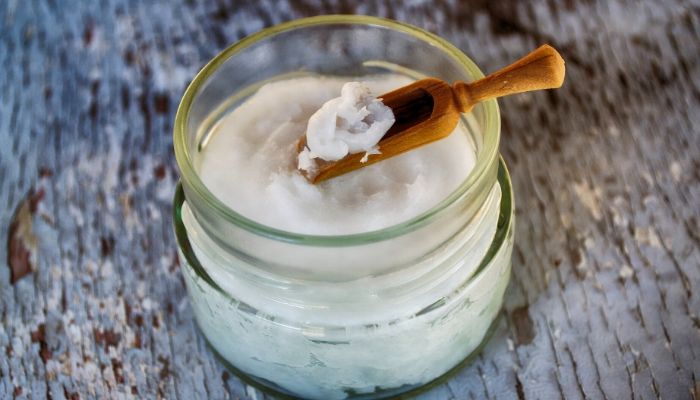
Coconut milk and coconut oil are different preparations. A 2003 study of coconut, sunflower and mineral oils found reduced protein loss from existing hair with coconut oil under the study conditions. That does not demonstrate new hair growth or establish a coconut-milk recipe as treatment.
2. Lemon

A nutrient or ingredient name is not enough to establish a regrowth benefit. This article does not provide evidence supporting lemon juice, lemon oil or a lemon-and-essential-oil mixture as a treatment for hair loss, so it does not recommend an application recipe.
3. Apple Cider Vinegar
Claims about vinegar cleansing hair should not be turned into promises about regrowth, acne treatment or weight loss. A homemade dilution is not a standardized hair-loss treatment. Check a formulated product’s intended use and instructions instead of using a general recipe from a list.
4. Aloe Vera
An aloe-containing hair product and raw aloe gel are not interchangeable with a proven hair-loss treatment. This article does not substantiate the earlier claims that aloe unblocks follicles or treats dandruff.
5. Fenugreek
A food’s protein or vitamin content does not establish that applying it to the scalp will stimulate growth or preserve hair color. The earlier fenugreek-paste recipe was not linked to clinical evidence here.
6. Onion Juice
A 2002 study tested crude onion juice for patchy alopecia areata against tap water. That specific study cannot be treated as proof that onion juice works for every cause of hair loss, or that onion oil and onion shampoo give the same result. Discuss treatment with a dermatologist rather than copying an application schedule.
7. Egg Masks
Eating protein and applying raw egg to hair are different uses. The nutrient content of eggs does not by itself demonstrate that an egg mask creates new hair. This guide does not recommend the earlier raw-egg mixture as a regrowth treatment.
8. Fish Oil Supplements
Do not assume an omega supplement treats your particular cause of hair loss. Ask a healthcare professional whether a supplement is appropriate before adding one; this article does not establish a dose or a personal need for fish oil.
9. Green Tea
Antioxidant content alone does not show that a used-tea-bag rinse prevents hair loss. Research on an isolated compound or a specific formulation should not be presented as proof for a homemade green-tea rinse.
10. Amla
Vitamin C content does not establish that an amla-and-lime mixture accelerates growth or prevents changes in hair pigmentation. This guide does not verify those earlier promises or provide a treatment recipe.
A More Useful Starting Point
Decide whether you are trying to change how your hair feels, reduce breakage or address hair loss. These are different goals. For everyday care, use the AAD’s hair-care guidance and the directions for the products you use. For a hair-loss concern, seek a diagnosis and discuss treatment options.
This article does not establish a guaranteed home remedy, a universal application schedule or a substitute for medical treatment.